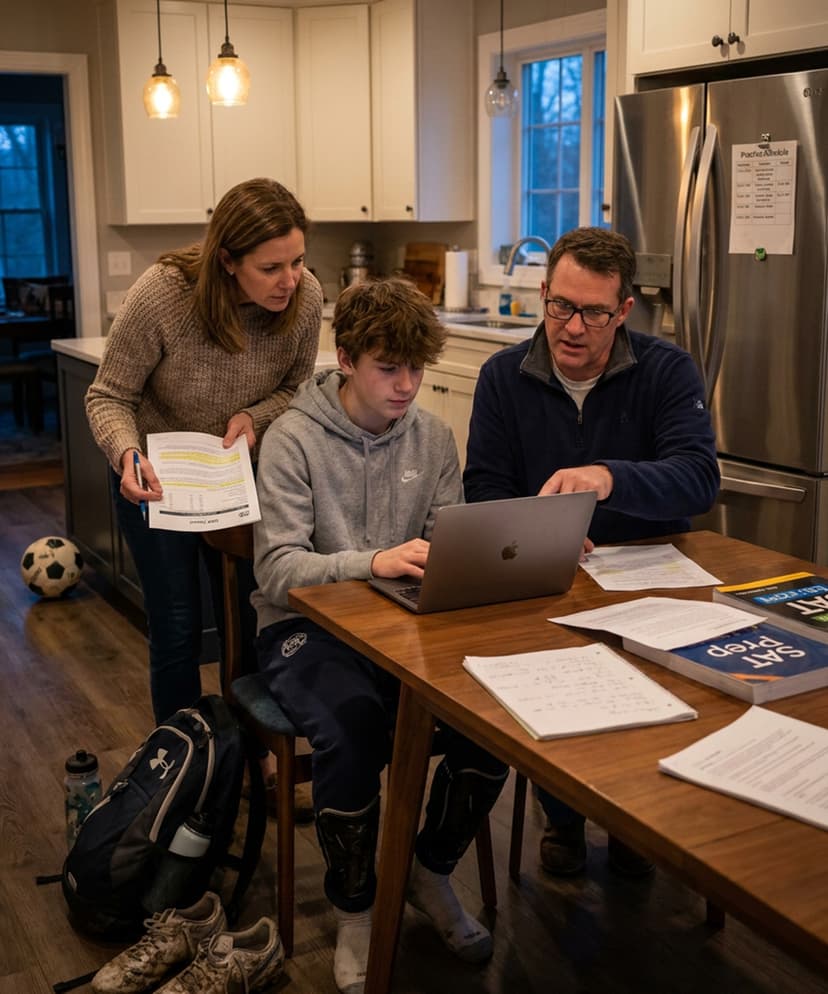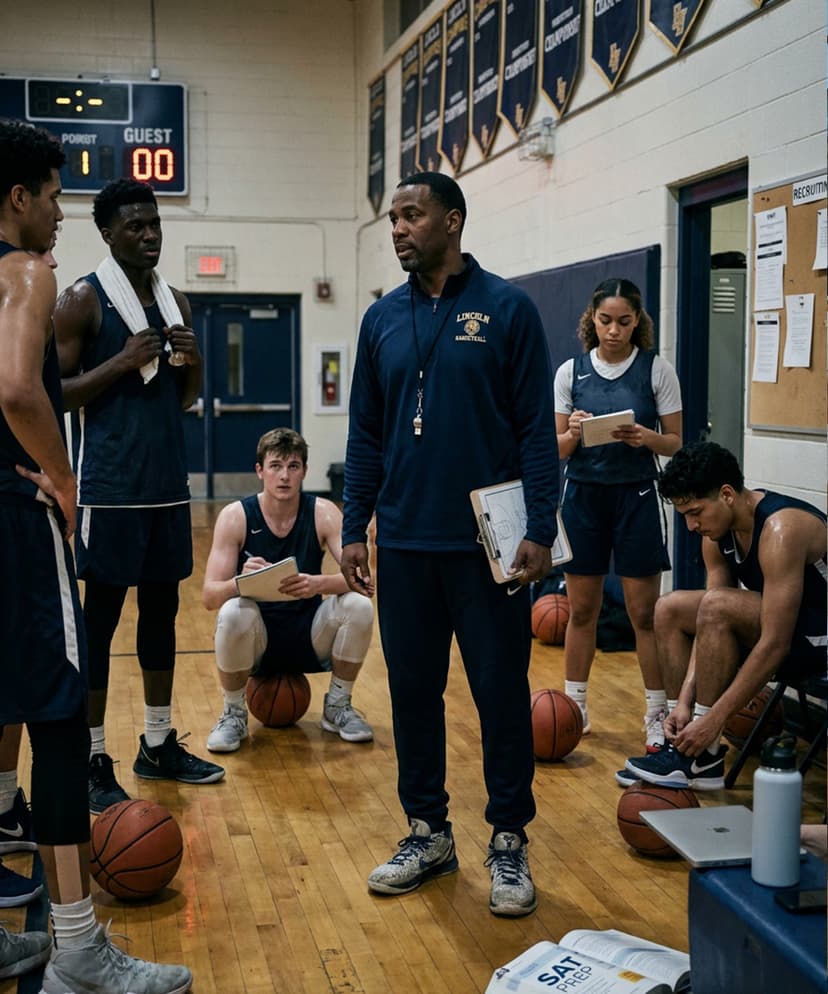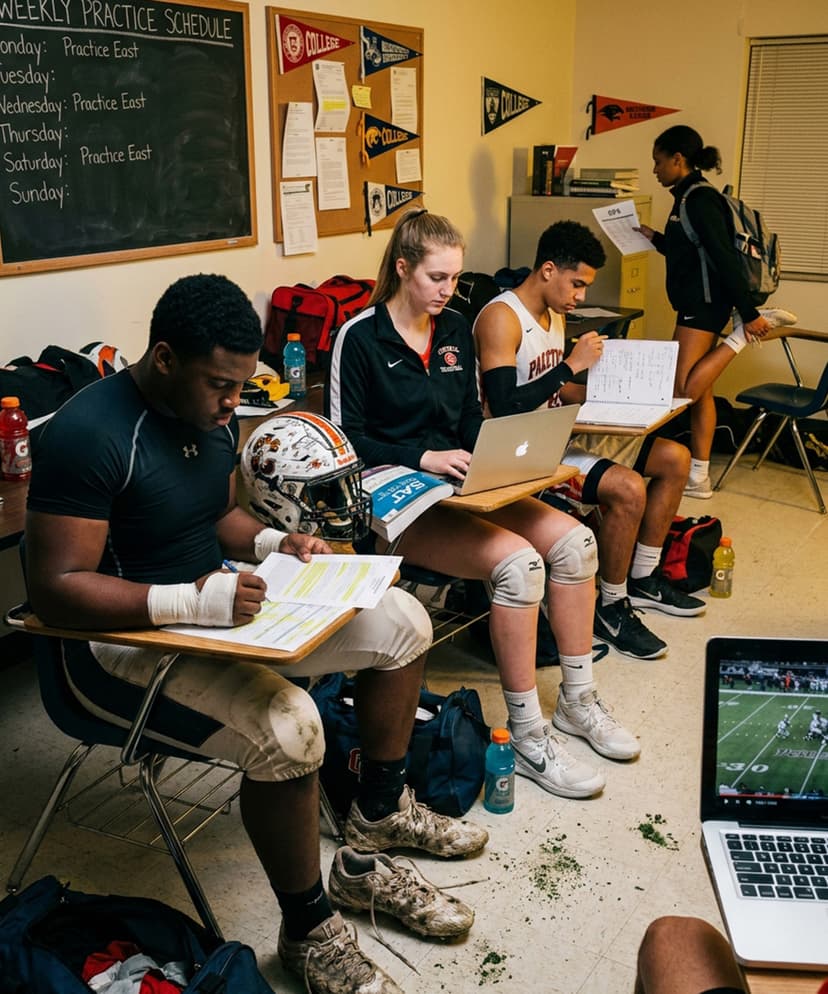
Here's the senior-year paradox: the academic outcome is mostly decided — the 10 locked core courses saw to that — but athletes with qualifying GPAs still lose eligibility every year to missed paperwork. Senior year is an operations job. Run it like one.
1. Eligibility Center account — done and correct
D1/D2 athletes need a Certification account at eligibilitycenter.org. Check that your name matches your transcript exactly, your high school(s) are all listed, and your sport is right. Errors here surface at the worst possible moment.
2. Send transcripts twice
The Eligibility Center needs an official transcript after junior year, and a final transcript with proof of graduation after senior year ends. Your counselor sends both — but you confirm they arrived. "The school sent it" is not a status.
3. Complete amateurism — then request final certification
The amateurism questionnaire covers your teams, any payments, agents, and prize money. Complete it carefully, and after April 1, log in and request final amateurism certification — a step many families don't know exists.
4. Know your remaining-core math cold
You have 6 core slots left at most. If the core GPA is hovering near 2.3 (D1) or 2.2 (D2), senior fall grades still move the number — this is not the semester for a light schedule. Our evaluation shows exactly which remaining courses move the needle most.
5. Match the timeline to the offer
Signing day, admissions deadlines, and financial aid (FAFSA) run on separate calendars from NCAA certification. Build one master list of every date. An athlete can be NCAA-certified and still lose a roster spot to a missed admissions deadline.
6. Keep the grades up after signing
Final certification uses your final transcript. A senior-spring collapse can undo everything — schools and the NCAA both see it.
Common questions
When should I register with the NCAA Eligibility Center?+
If you're being recruited and haven't registered, do it now — many athletes register sophomore or junior year. D1/D2 athletes need a Certification account; registration fees apply ($100 domestic at last published rates, with fee waivers available).
Can I still fix my core GPA senior year?+
Partially. For D1, the 10 core courses completed before senior year are locked. Senior-year cores still count toward the remaining 6 — a strong senior fall can help, but it can't rewrite the locked 10.
What is amateurism certification?+
A questionnaire in your Eligibility Center account covering your sports history (teams, payments, agents, prize money). You complete it and then request final certification — typically after April 1 of senior year. Answer precisely; irregularities delay certification.